Commercial Refurbishment: Powerful Planning Steps for a Successful Expansion
Planning a commercial refurbishment is an exciting step for any growing business. Whether you are expanding a factory production line, reconfiguring office space, upgrading a warehouse, or refitting a retail unit, change brings opportunity. However, without proper planning, a refurbishment can also expose weaknesses in your building’s existing systems.
Before walls move or machinery arrives, you must assess your infrastructure. Gas supply, electrical capacity, ventilation, plumbing demand, and compliance requirements all need careful review. A well-planned commercial refurbishment protects your investment, reduces disruption, and ensures your upgraded space performs exactly as intended.
This guide explains the key technical areas every business should review before starting a refurbishment and how proper M&E planning supports long-term success.
More Than Cosmetic Changes
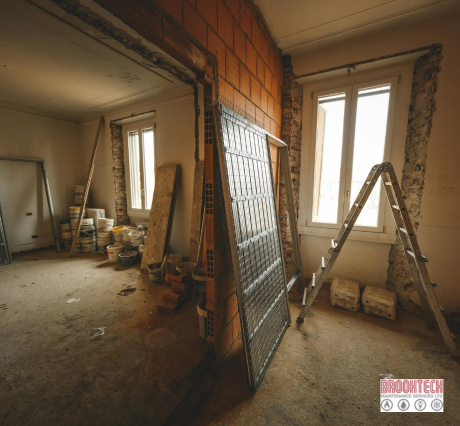
Many businesses focus on layout, flooring, décor, or equipment placement when planning a commercial refurbishment. Yet the real foundation of your building sits behind the walls and above the ceilings. Mechanical and electrical systems determine whether your space can handle increased demand.
If your infrastructure cannot cope, you face:
- Overloaded circuits
- Poor ventilation
- Insufficient heating
- Gas pressure drops
- Plumbing failures
- Compliance risks
Therefore, a successful refurbishment must start with a full building services assessment.
1. Gas Capacity and Distribution in Commercial Refurbishment
If you are adding production lines, commercial kitchens, heating zones, or additional appliances, your gas system must cope with higher demand. Many older systems were designed for lower loads.
Before beginning any refurbishments, you should assess:
- Existing gas meter capacity
- Pipe sizing and routing
- Appliance demand calculations
- Ventilation requirements
- Emergency isolation access
If gas capacity falls short, performance suffers and safety risks increase. A proper review ensures your gas installation supports expansion safely and efficiently.
The Health and Safety Executive outlines clear responsibilities for safe gas systems in workplaces.
2. Electrical Load and Infrastructure
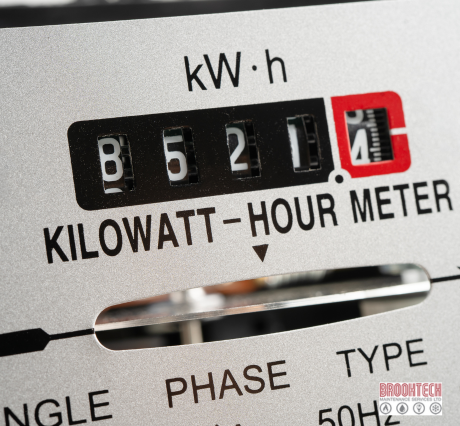
Electrical demand increases quickly during a commercial refurbishment. New machinery, upgraded lighting, additional office equipment, EV chargers, or HVAC systems all draw power. Without assessment, circuits overload and distribution boards struggle.
Before expanding, review:
- Current electrical load
- Spare capacity within panels
- Phase balancing
- Condition of cabling
- Protection devices
Upgrading distribution boards or adding new circuits during a refurbishment of your premises prevents future downtime and improves safety.
3. Ventilation and Airflow Requirements
When factories add production lines or offices increase occupancy, ventilation demand rises. More people and more equipment generate more heat and require better airflow.
Poor ventilation leads to:
- Overheating
- Staff discomfort
- Reduced productivity
- Equipment strain
- Poor indoor air quality
A commercial refurbishment must include ventilation calculations. Air handling units may need upgrading. Extract systems may require expansion. Ductwork might need resizing.
Planning ventilation correctly ensures your refurbished space remains comfortable and compliant.
4. Plumbing Capacity and Water Demand
Increased occupancy or production output often raises water usage. Additional washrooms, process equipment, or kitchen facilities place new pressure on plumbing systems.
Before completing a your refurbishment, assess:
- Incoming water supply
- Pump capacity
- Waste pipe sizing
- Drainage flow
- Hot water system output
Without these checks, low pressure and blockages can appear after expansion. Early review prevents disruption later.
5. Heating and Cooling Performance
Expanded spaces require balanced heating and cooling. Extending a building footprint or reconfiguring internal layouts affects airflow and temperature control.
If your heating system remains unchanged during a refurbishment, you may create cold spots or overheating zones. Boilers, radiators, air conditioning units, and controls must align with the new layout.
Reviewing heating and cooling performance during refurbishment improves comfort and reduces energy waste.
6. Compliance and Regulatory Updates
A refurbishments often triggers new compliance obligations. Changing layout, increasing occupancy, or altering building use may require updates to:
- Fire alarm systems
- Emergency lighting
- Fire door placement
- Gas safety documentation
- Electrical certification
- Water hygiene risk assessments
Ignoring compliance during a refurbishment creates legal risk and potential delays.
Integrating compliance checks into your refurbishment plan protects your project timeline and ensures smooth inspections.
7. Future-Proofing Your Commercial Refurbishment
Expansion should not only meet today’s needs. It should prepare for future growth. Many businesses regret not installing additional capacity when upgrading.
Consider:
- Spare electrical capacity
- Flexible pipework routing
- Scalable ventilation systems
- Accessible plant room layouts
- Clear line diagrams and documentation
Future-proofing your refurbishment reduces the need for further costly upgrades.
The Risks of Poorly Planned Commercial Refurbishment
When businesses rush refurbishment projects, problems appear quickly:
- Production delays due to power shortages
- Temperature imbalance across the site
- Gas supply issues
- Water pressure problems
- Failed inspections
- Increased energy bills
- Emergency remedial work
These setbacks cost time and money. A structured approach avoids them.
How Brooktech Supports Commercial Refurbishment Projects
Brooktech provides full M&E installation and maintenance support for commercial and industrial refurbishment projects across the North West. We understand how gas, electrics, plumbing, HVAC, and mechanical systems interact within your building.
Our commercial refurbishment services include:
- Full building services assessments
- Gas system upgrades and reconfiguration
- Electrical load analysis and installation
- Ventilation and air conditioning upgrades
- Plumbing system extensions
- Compliance checks and certification
- Line diagram updates
- Planned Maintenance integration after completion
Because we operate as a multi-discipline team, we coordinate all technical services under one roof. This reduces contractor overlap, simplifies communication, and keeps your project on schedule.
As a trusted family-run business, we deliver reliable workmanship, clear reporting, and minimal disruption to your operation.
If you are planning a commercial refurbishment, contact Brooktech today to ensure your infrastructure supports your growth safely and efficiently.